

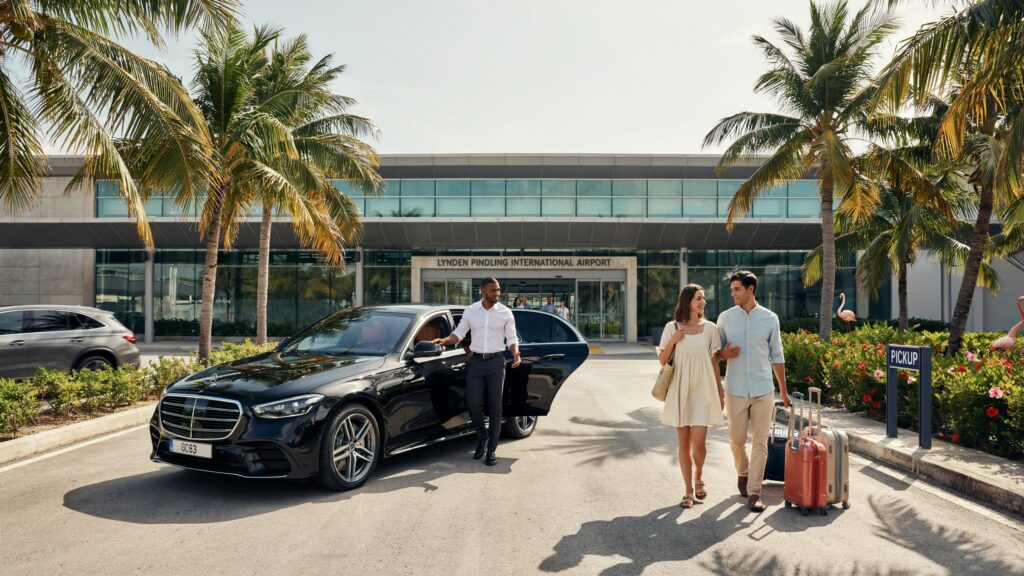
Touching down at Nassau Bahamas Airport for the first time, you will notice two things almost immediately: the warm air that meets you the moment you step off the plane, and the fact that the airport moves at its own pace. Lynden Pindling International Airport, identified by the IATA code NAS, handles millions of passengers annually and has gone through significant infrastructure upgrades over the past decade. But if you have never been through it before, the first hour can feel disorienting, especially if you arrive on a busy afternoon when several international flights land within the same window.
This guide covers every stage of the Nassau airport arrivals process, from clearing the jet bridge to getting into a vehicle headed to your hotel or resort. There are no surprises here. By the end, you will know exactly what to have ready, where to go, and how long each step realistically takes.
What Lynden Pindling International Airport Looks Like
Knowing the basic layout of the Nassau Bahamas airport before you land makes the first few minutes on the ground significantly less stressful.
The airport sits approximately 16 kilometres west of downtown Nassau and around 18 kilometres from Paradise Island, where resorts like Atlantis and several major hotels are located. It operates primarily through two main terminal areas: the US departure terminal, which handles pre-clearance for US-bound flights through US Customs and Border Protection, and the international terminal, which handles arrivals from the UK, Canada, the Caribbean, and other international points of departure. Most first-time visitors flying in from the United States will arrive through the international terminal, unless they have connecting onward travel.
The terminal has been modernised and is compact enough that you will not feel lost moving through it. Signage is clear, staff are present at key junctions, and the walk from gate to immigration takes under ten minutes for most passengers. If you are travelling with young children or have mobility requirements, assistance is available at the gate.
A Note on US Pre-Clearance
One thing that surprises many first-time visitors is that the US pre-clearance facility at NAS is used for departing passengers heading back to the United States, not for arrivals. When you land, you go through Bahamian immigration, not US border control. This matters because some travellers expect a faster process based on their experience at airports with arrival-side pre-clearance, and the Bahamian immigration process has its own requirements and timeline.
Nassau Airport Arrivals: Immigration and What You Need to Have Ready
The immigration hall is the first formal stop after you deplane, and it tends to be where time adds up if you arrive without the right documents prepared in advance.
Documents You Will Need at the Immigration Counter
Every passenger arriving in the Bahamas must present a valid passport. US citizens do not require a visa for stays of up to eight months, and citizens of most EU countries, Canada, and the UK also enter visa-free for short stays. You should verify the specific entry requirements for your nationality before travel, as rules can change. Beyond your passport, you will need to complete an immigration arrival card, which is typically distributed on the plane. If you did not receive one on board, cards are available at stands near the immigration hall entrance.
Fill out the card before you join the queue. You will need your full name, passport number, date of birth, flight number, the address where you are staying in the Bahamas, and your intended departure date. Having your hotel booking confirmation accessible on your phone or in print makes this considerably faster. Passengers who search for their confirmation details at the counter slow the process for everyone behind them, and immigration officers move efficiently when travellers arrive prepared.
How Long Immigration Takes
On a quiet morning or early afternoon flight, the immigration process at Nassau airport arrivals can take as little as 15 to 20 minutes from the time you leave the gate. During peak season from December through April, when multiple international flights arrive close together, the wait can stretch to 45 minutes or longer. Flights from the US tend to dominate the queue volume, and arriving on a Friday afternoon will feel noticeably busier than a Tuesday morning.
The counters are divided between Bahamian citizens and permanent residents on one side, and visitors on the other. Join the visitors line. Officers will redirect you if you step into the wrong queue, but it costs time you do not need to lose.
Baggage Claim and Customs: Getting Through Without Delays
After clearing immigration, follow the signs to baggage claim. The carousel area sits directly beyond the immigration hall and is straightforward to reach.
What to Expect at the Baggage Carousels
Baggage claim at Lynden Pindling typically takes 20 to 40 minutes from the time you clear immigration, depending on the airline and how the ground crew is working that day. Charter flights and smaller regional carriers sometimes have faster bag turnarounds. Major US carriers tend to be consistent, though delays do happen on heavy travel days. If your bag has not appeared within an hour of clearing immigration, report to the airline’s baggage desk in the arrivals area rather than waiting indefinitely at the carousel.
Keep your baggage claim tags, which are attached to your boarding pass, until you are fully through customs and outside the terminal. Customs officers occasionally ask to see them before you exit.
Customs Declarations: What You Need to Know
All passengers must complete a customs declaration form, which is usually printed on the reverse side of the immigration arrival card. Declare any goods that exceed the duty-free allowance. Adults are generally permitted to bring in one litre of spirits, one litre of wine, and a limited quantity of tobacco duty-free, along with personal effects. Cash and monetary instruments above USD 10,000 must be declared.
If you are carrying specialised equipment such as fishing gear, dive kit, or professional camera equipment, these are typically permitted for personal use without duty, but be ready to show them to customs if asked. The customs hall splits into a red channel for passengers with goods to declare, and a green channel for those with nothing to declare. If you are in any doubt, use the red channel. Attempting to pass through the green channel with declarable goods and being stopped costs considerably more time than declaring upfront.
Nassau Airport Tips for Your First 30 Minutes Outside Customs
Once you pass through customs and step into the arrivals hall, you move quickly from the formal airport process into the practical business of starting your trip. These Nassau airport tips apply to the window between clearing customs and getting into your transport, a stretch that many first-time visitors do not think to plan for.
Currency, ATMs, and Cash
The Bahamian dollar (BSD) is pegged at a 1:1 rate with the US dollar, and US dollars are accepted everywhere in the Bahamas. If you are arriving from the United States, you do not need to exchange currency. You may receive change in Bahamian dollars, which is perfectly normal and spends identically. Most hotels, restaurants, and tour operators accept major credit and debit cards, but carrying USD 50 to USD 100 in cash for tips, small purchases, and the occasional vendor who does not take cards is sensible when you first arrive.
ATMs are available in the arrivals area. Currency exchange counters also exist within the terminal, though their rates vary. A bank in Nassau or your hotel’s front desk will generally offer a more straightforward exchange if you need Bahamian dollars for any specific purpose.
SIM Cards and Staying Connected
BTC (Bahamas Telecommunications Company) is the main local mobile provider. International SIM options and prepaid data packages are sometimes available near the terminal exit. Roaming charges from US carriers can be significant on longer stays, so checking your carrier’s international data plan before departure saves the hassle of sorting it out on arrival. Most hotels provide Wi-Fi, and restaurants and cafes across Nassau generally offer it as well, so connectivity is not a concern once you are settled.
What Not to Do in the Arrivals Hall
Do not accept rides from unofficial solicitors who approach you inside the terminal. Unlicensed drivers sometimes work the arrivals area, offering transport at prices that may appear competitive but come without the accountability of a licensed operator. If someone approaches you before you have reached the official taxi rank or your pre-arranged pickup point, politely decline and keep moving toward the exit.
Getting from Nassau Bahamas Airport to Your Hotel or Resort
Transport from the Nassau Bahamas airport is one of the most frequently searched topics for first-time visitors, and it is an area where a small amount of planning before your trip saves a lot of friction on arrival day.
The distance and travel time from the airport vary considerably depending on where you are staying. The table below covers the most common destinations.
| Destination | Distance from Airport | Estimated Travel Time |
| Downtown Nassau | ~16 km | 20–30 minutes |
| Paradise Island (Atlantis area) | ~18 km | 30–45 minutes |
| Cable Beach / Baha Mar | ~10 km | 15–25 minutes |
| Western New Providence hotels | ~5–12 km | 10–20 minutes |
Travel times reflect standard traffic conditions. Friday afternoons and Sunday evenings tend to be slower on the airport road corridor.
Taxis from Nassau Airport
Licensed taxis are available directly outside the arrivals exit. Rates are set by the Bahamas Taxi Cab Union and operate on fixed fares for standard routes rather than a running meter. A taxi to Paradise Island typically falls in the range of USD 30 to USD 45 for two passengers, though fares are subject to periodic adjustment. Additional passengers usually carry a small surcharge.
Confirm the fare before you get into the vehicle. This is standard practice in Nassau and no driver will take offence at being asked.
Private Airport Transfers
Many first-time visitors prefer to arrange a private transfer in advance rather than sorting it out at the taxi rank after a long flight. A pre-arranged private ride means there is no waiting at the terminal or working out fares at the kerb, something particularly useful when arriving with multiple bags after a transatlantic or cross-country journey. Simon’s Transports operates private airport transfer services across Nassau, Paradise Island, and beyond, with vehicles ranging from sedans and SUVs to sprinters and buses for larger groups travelling together.
Rental Cars
Several major car rental companies have desks in the arrivals area at NAS. Driving in Nassau is on the left side of the road, which catches some visitors off guard, particularly those arriving from the United States or continental Europe. If you plan to hire a car, book in advance and bring your home country driving licence. An international driving permit is not a firm requirement for short stays, but carrying one adds a layer of convenience if asked.
What to Do After Landing in Nassau: The First Few Hours
Knowing what to do after landing in Nassau matters more than most travellers account for when they book their trip. The first few hours set the rhythm for everything that follows, and a few practical decisions early on make a real difference.
Check In and Rest Before Exploring
If you have come in on a long-haul or overnight flight, resist the urge to fill the first afternoon with sightseeing. Most Nassau hotels allow early check-in if rooms are available, though this is not guaranteed. If your room is not ready on arrival, the hotel will typically store your luggage and allow you access to pool or lounge areas. Use that window to eat something, hydrate, and let the time adjustment begin, rather than pushing through on little sleep and calling it a productive afternoon.
Starting to Explore Nassau After Arrival
For those arriving on a morning or early afternoon flight with energy to spare, Nassau has enough within easy reach of most hotels to fill a solid first afternoon without over-extending. The waterfront area along Bay Street gives a good initial orientation to the city. The Straw Market along Bay Street is one of the oldest commercial spaces in Nassau, selling locally made craft goods and reflecting the city’s long trading tradition. Parliament Square, a short walk from the waterfront, offers colonial architecture and the grounds of the Bahamian legislature, which most visitors pass through in 20 to 30 minutes.
If you are staying on Paradise Island, the beaches on the northern side of the island are accessible on foot from most hotels and give you the clearest first impression of why people return to the Bahamas year after year.
Eating After You Land
The arrivals hall at Lynden Pindling has limited food options, so if you are hungry after the flight, getting to your hotel or into Nassau proper is the better move. Nassau has a solid range of restaurants within both the Cable Beach corridor and the downtown areas. For a first meal that requires no reservation and minimal wait time, casual waterfront restaurants along Nassau harbour are a reliable option. Expect to pay in the range of USD 15 to USD 30 per person for a sit-down lunch, though prices vary by venue.
Getting Your Bearings on the Island
Nassau is compact enough that most visitors get oriented within a day of arrival. New Providence, the island Nassau sits on, runs roughly 34 kilometres in length and 11 kilometres in width. The majority of what first-time visitors want to see sits within the eastern half of the island, from the airport corridor through to Paradise Island. A basic mental map covers it well: the airport to the west, Cable Beach and Baha Mar roughly in the middle, and downtown Nassau with Paradise Island to the east. Once that geography clicks, getting around independently becomes straightforward.
A Practical Pre-Departure Checklist for Your Nassau Arrival
Before your flight, running through this short list means you will hit no avoidable delays at Nassau airport arrivals on the day.
- Passport valid for at least six months beyond your return date
- Immigration arrival card filled out on the plane, or request one from cabin crew before landing
- Hotel confirmation address written down or saved offline on your phone
- USD cash for tips and small purchases (USD 50 to USD 100 is a sensible starting amount)
- Transport from the airport confirmed in advance or decision made about the taxi rank
- International mobile data plan or SIM card option researched before departure
- Customs declaration completed accurately, declare anything you are unsure about
Running through these points before you board means the arrival process at Nassau Bahamas airport goes as smoothly as it realistically can.
Frequently Asked Questions
How long does it take to get through Nassau airport arrivals?
The full process from landing to exiting the terminal, covering immigration, baggage claim, and customs, typically takes between 45 minutes and 90 minutes. On quieter travel days and with morning arrivals, it runs closer to 45 minutes. During peak season from December through April, and on heavy Friday or Sunday flights, plan for closer to 90 minutes.
What currency should I bring to Nassau?
US dollars are accepted throughout the Bahamas and are the most practical currency for visitors arriving from the United States. The Bahamian dollar is pegged at a 1:1 rate with USD, so there is no need to exchange money if you are arriving with US cash. Major credit cards are widely accepted at hotels, restaurants, and tour operators.
Is it safe to take a taxi from Nassau airport?
Yes, the licensed taxi rank directly outside the arrivals exit at Lynden Pindling International Airport is a safe and reliable option. Fares for standard routes are fixed by the Bahamas Taxi Cab Union, so confirm the fare before getting in, which is standard practice. Avoid accepting rides from individuals inside the terminal before you reach the official rank.
Pingback: What Is the Best Way to Travel From Nassau Bahamas Airport to Atlantis Resort? – simonstransports25