

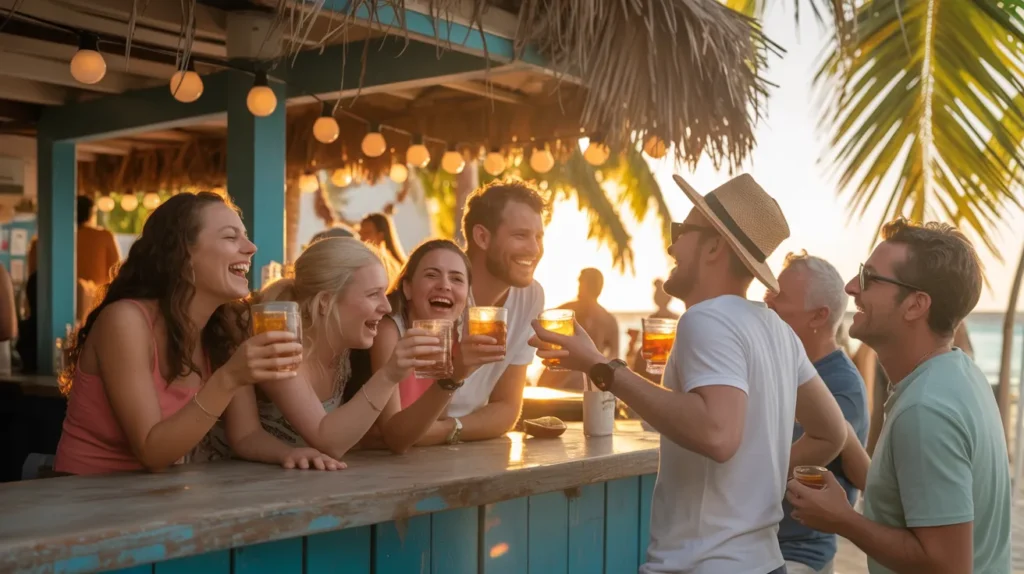
The Nassau Rum Festival is not a manufactured tourist event. It grows from the Bahamas’ deep relationship with sugarcane, distilling traditions, and the kind of outdoor celebration that Bahamians do better than most places in the world. If you are planning a Bahamas trip between March and May, building your dates around this festival is one of the smarter decisions you can make.
Here is exactly why.
The Festival Is Rooted in Real Bahamian Culture
Rum is not a novelty in the Bahamas. It has been part of the island’s food, hospitality, and social fabric for generations. The Nassau Rum Festival treats that history seriously. Rather than setting up a generic tasting tent, the event spotlights local distillers, regional blending techniques, and the stories behind the bottles.
You will find Bahamian rum producers standing next to their products, talking through what separates a Nassau-distilled rum from what you find on a supermarket shelf back home. That direct access to makers and the craft itself gives the festival an authenticity that wine and spirits events in bigger cities often lack.
For travelers who want to understand a place through its food and drink traditions, this is one of the most honest entry points Nassau offers.
What Actually Happens at the Festival
The Nassau Rum Festival runs across multiple sessions, typically including a daytime tasting event and evening celebrations. Here is what most attendees experience across a full festival day:
Rum Tastings and Guided Flights
Curated rum flights allow you to move through different styles, from light column-distilled rums to aged pot still expressions. Guides walk you through flavor notes, production differences, and pairing suggestions. You do not need any prior knowledge to enjoy this. The sessions are designed for curious beginners and serious enthusiasts alike.
Bahamian Food Pairings
The food at the festival is not an afterthought. Local vendors bring conch fritters, grilled fish, rice dishes, and island desserts. Pairing these with specific rums is a genuine education in how Bahamian flavors work together. This is the kind of meal you will be thinking about on the flight home.
Nassau Music and Dance
This is where the event shifts completely. As the afternoon moves into evening, Nassau music and dance take over. Rake and scrape bands, junkanoo rhythms, and live performances from local and regional artists fill the outdoor spaces. The energy changes fast. People who arrived for the tastings end up staying for the music because the performances are that good.
Rake and scrape, in particular, is worth knowing before you arrive. It is a Bahamian folk music tradition built around the saw, goat skin drum, and accordion. Hearing it live at an outdoor festival, surrounded by people who grew up with it, is genuinely different from any live music experience you can replicate elsewhere.
The Spring Timing Is a Strategic Advantage
Spring is one of the better windows to visit Nassau for reasons that go beyond the festival itself.
- Temperatures sit comfortably in the mid-70s to low 80s Fahrenheit
- Hurricane season has not started
- Hotel rates are generally more reasonable than in the peak winter months
- The island feels active but not overwhelmed
Placing the Nassau Rum Festival in this window means you get the festival experience without fighting for restaurant reservations or navigating packed beaches every morning. You can structure a trip where the festival is the centrepiece and fill the surrounding days with boat charters, beach time, or exploring neighborhoods at your own pace.
Simon’s Transports regularly handles transfers for festival visitors arriving at Lynden Pindling International Airport. Booking private airport transportation in advance during festival dates is worth doing early, since demand increases noticeably around the event.
Bahamian Nightlife Gets a Genuine Upgrade During the Festival
Bahamian nightlife on a regular Nassau weekend is already lively. The Fish Fry at Arawak Cay, the bars along Bay Street, and the resort entertainment options give visitors plenty to do after dark. But during the Nassau Rum Festival, the nightlife ecosystem expands significantly.
Pop-up events, after-parties, and extended bar programs at venues across Nassau run parallel to the main festival. Local musicians who perform at the festival often play smaller sets at nearby venues the same night. The atmosphere across the whole city feels elevated.
For travelers who enjoy nightlife as part of their trip rather than just a side note, the festival weekend is the right time to be in Nassau.
What to Know Before You Go Out
- Most festival evening events require tickets purchased in advance
- Venues near Cable Beach and downtown Nassau tend to host the strongest after-event programming
- Private car service is worth arranging for evening transfers, especially if you are moving between the festival site and other Nassau venues
Who Gets the Most Out of the Nassau Rum Festival
The festival draws a genuinely mixed crowd, which is part of what makes it work. You will find:
- Couples and honeymooners: Who want a memorable shared experience that goes beyond a beach day. The combination of food, rum, music, and atmosphere makes for a natural celebration.
- Solo travelers: Who find it easy to meet people at tasting events. The format encourages conversation, and the shared curiosity around what is in each glass gives everyone an easy starting point.
- Small groups of friends: Who want something with more personality than a resort pool day. The festival has enough variety across its sessions that groups with different interests all find something worth their time.
- Serious rum enthusiasts: Who travel specifically to taste Caribbean and island-produced spirits in context. The Bahamas is not always the first destination that comes to mind for spirits tourism, which means the producers you meet here are often more accessible and less commercialized than at larger events.
The Best Rums to Try at the Nassau Rum Festival
Part of what makes the Nassau Rum Festival genuinely worth your time is the range of what is in the glass. The Caribbean rum category is far wider than most casual drinkers expect, and the festival floor gives you a rare chance to taste that range in one place, guided by the people who actually make the product.
Here are the styles and specific types worth seeking out when you arrive.
Bahamian White Rum
This is where most first-timers should start. Bahamian white rums are clean, light, and built for the island heat. They carry a subtle sweetness without the weight of aged expressions. Sip one neat before you start mixing it mentally with anything. The flavor profile is more nuanced than the color suggests, and tasting it on its own gives you a reference point for everything else you try during the day.
What to look for: Light floral notes, faint sugarcane, a clean finish with very little burn.
Aged Pot Still Rum
If the white rum is the introduction, aged pot still rum is the main conversation. Pot still production retains more of the raw character from the fermented sugarcane or molasses, and years in oak barrels layer in vanilla, dried fruit, and warm spice. These are slower sipping rums, and the festival setting, with good food nearby and no rush, is exactly the right context for them.
What to look for: Dark fruit on the nose, caramel and oak through the middle, a long warm finish. Ask producers about their barrel aging period. The difference between four years and eight years in a Bahamian climate is significant because the heat accelerates maturation faster than in cooler spirits-producing regions.
Spiced Rum
Not all spiced rums are created equal, and the ones you find at the Nassau Rum Festival from local producers are a different product from the mass-market bottles you already know. Bahamian spiced rums tend to use locally sourced ingredients, including allspice, ginger, and citrus peel from the region, which gives them a flavor that actually connects to the place.
What to look for: A balanced spice profile where no single ingredient dominates. The best versions taste like the Caribbean without reaching for it too hard.
Coconut and Fruit-Infused Rums
These sit at the more approachable end of the festival offerings and pair exceptionally well with the Bahamian food vendors on site. Coconut rum alongside conch fritters is a combination that sounds simple and delivers completely. Do not overlook these as lesser options. Local infusions made with fresh fruit rather than artificial flavoring are worth tasting slowly.
What to look for: Natural fruit character rather than candy sweetness. If it smells like sunscreen, move on. If it smells like the actual fruit, stay.
Practical Planning for the Festival
Getting There
Nassau is well-connected, with direct flights from major US cities, Canada, and the UK into Lynden Pindling International Airport. Most festival visitors stay in Nassau proper, on Cable Beach, or on Paradise Island.
Getting Around During the Festival
Festival venues and after-parties are spread across different parts of Nassau. Having a reliable transportation plan matters more during this weekend than on a typical Nassau trip. Taxis work fine for single short trips, but if you are moving between multiple venues or returning from a late evening event, a pre-arranged private car service removes the guesswork.
What to Bring
- Comfortable shoes. The evening sessions involve a lot of standing and dancing.
- A light layer for later in the evening when the sea breeze picks up.
- Cash alongside your card. Smaller vendors at the festival often prefer cash transactions.
- An open schedule. The best moments at the Nassau Rum Festival are the ones you do not plan.
The Bigger Picture: Nassau Is Worth More Than One Day
Visitors who come specifically for the Nassau Rum Festival often extend their trip because the island gives them reasons to stay. The beaches near Cable Beach and Love Beach hold up against anywhere in the Caribbean. Exuma is a short flight away for those who want to add something extraordinary. The food scene in Nassau, the colonial architecture of downtown, and the straightforward warmth of Bahamian hospitality all reward time spent rather than rushed itineraries.
The festival becomes a gateway rather than a destination on its own. That is perhaps its best quality.
FAQs
When does the Nassau Rum Festival take place?
The Nassau Rum Festival is held during the spring, typically between March and May. Exact dates shift year to year, so checking official event listings or the Bahamas tourism board website a few months ahead gives you the most reliable scheduling information.
Is the Nassau Rum Festival suitable for travelers who do not drink rum?
Yes. The festival includes Bahamian food vendors, live music performances, Nassau music and dance showcases, and cultural programming that give non-drinkers plenty of reasons to attend. Many visitors come primarily for the live entertainment and local food.
How much do tickets to the Nassau Rum Festival cost?
Ticket prices vary by session. Daytime tasting events typically cost between $40 and $80 USD, depending on the tier. Evening events and VIP sessions run higher. Purchasing in advance is recommended since popular sessions sell out before the festival date.
What is rake and scrape music, and why is it part of the festival?
Rake and scrape is a traditional Bahamian folk music style built around the handsaw, goat skin drum, and accordion. It has been central to Bahamian celebrations for generations. The Nassau Rum Festival includes it because the event is as much a cultural celebration as a spirits event.
What is the best area to stay in Nassau for the rum festival?
Cable Beach and downtown Nassau offer the most convenient access to festival venues and the surrounding Bahamian nightlife that expands during the event. Paradise Island works well too, with reliable bridge access and strong private transport options.
Can I combine the Nassau Rum Festival with a trip to other Bahamian islands?
Yes. Many visitors pair Nassau with a day trip or overnight stay in Exuma or the Out Islands. Ferry and short-haul flight connections are available. Building one to two extra days around your Nassau festival dates gives you time to explore beyond New Providence without rushing.